
It finally happened. After 18 years of negotiations, countless disagreements, and at least one false start, India and the European Union signed what’s being called the “Mother of All Trade Deals.” And unlike most trade jargon that puts you to sleep, this one actually matters to you—whether you’re buying a car, ordering medicine online, or dreaming of working abroad.
Let me explain why this deal is different, and why you should care.
The Setup: How We Got Here
Picture this: January 26, 2026. Republic Day parade in Delhi. The President of the European Council walks alongside PM Modi in an unusually warm exchange. Then at Rashtrapati Bhavan’s press conference, something unexpected happens—he pulls out his OCI (Overseas Citizen of India) card. A European leader, literally showing his Indian roots while sealing the biggest trade agreement India’s ever signed.
That moment said everything. This wasn’t just another contract. It was two of the world’s largest economies finally deciding they belonged together.
But here’s the thing—they’d been trying since 2007. Talks dragged on through disagreements about alcohol (yes, wine tariffs were that controversial), car imports, data privacy, and medicines. By 2013, negotiations completely collapsed. Nobody thought it would happen.
Then came 2022. Ukraine happened. Trump returned. Suddenly, both India and Europe realized they couldn’t afford to remain economically isolated. The deal accelerated. And now, here we are.
Why The Numbers Are Crazy
Let’s start with scale:
- 2 billion people covered
- 25% of global GDP between them
- 30% of global trade flows through these economies
To put it differently: this deal affects more people than the combined populations of the US, EU, and UK. It’s genuinely massive.
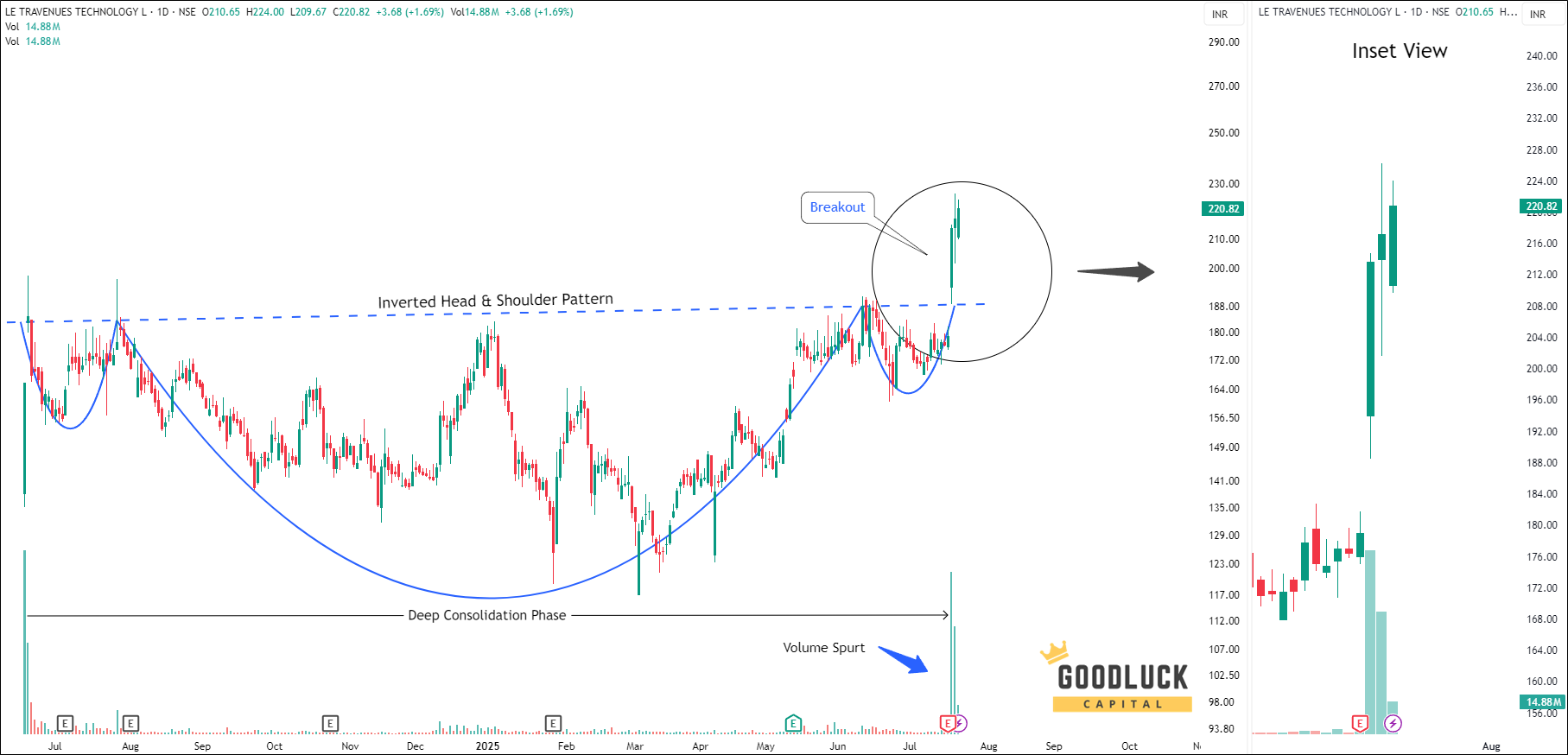
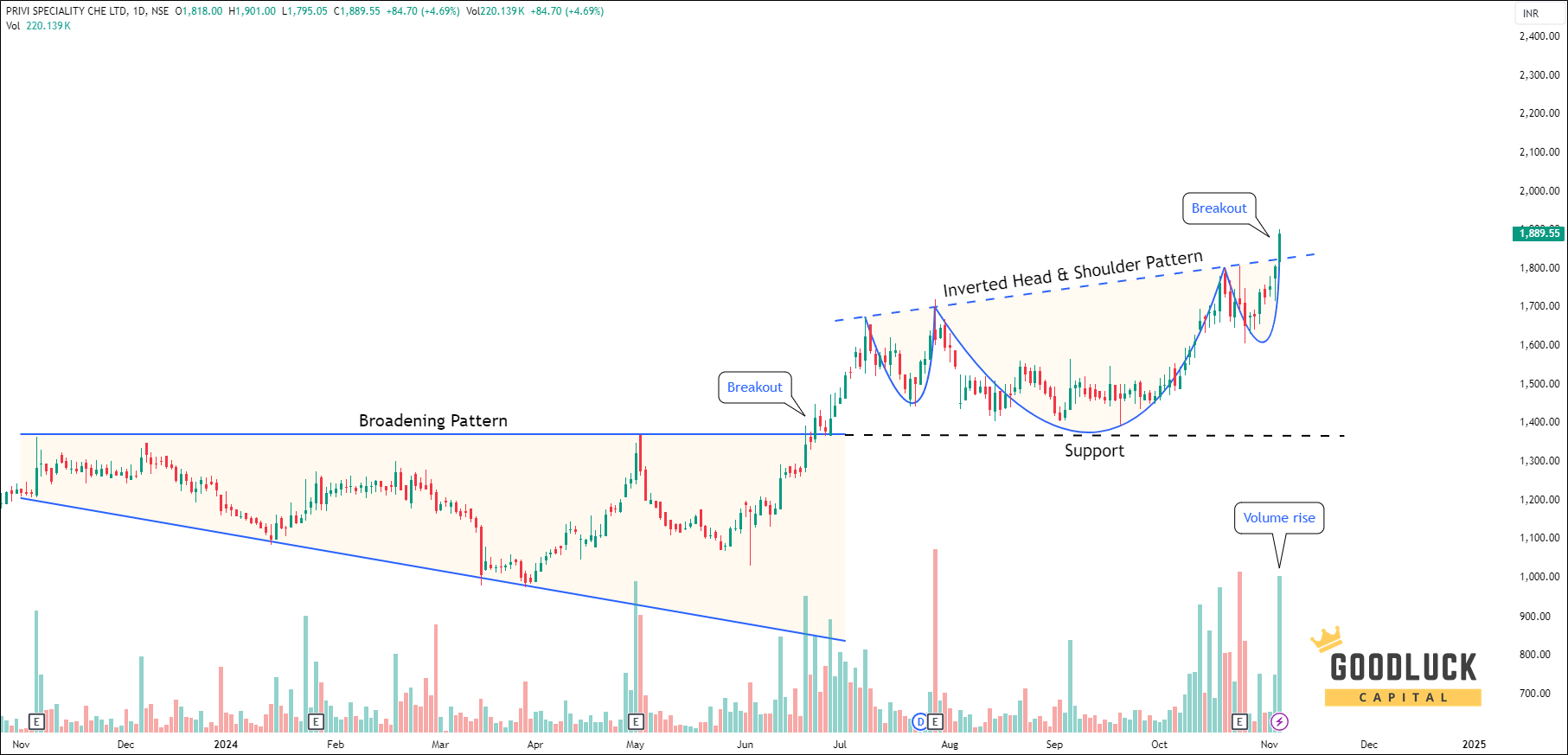
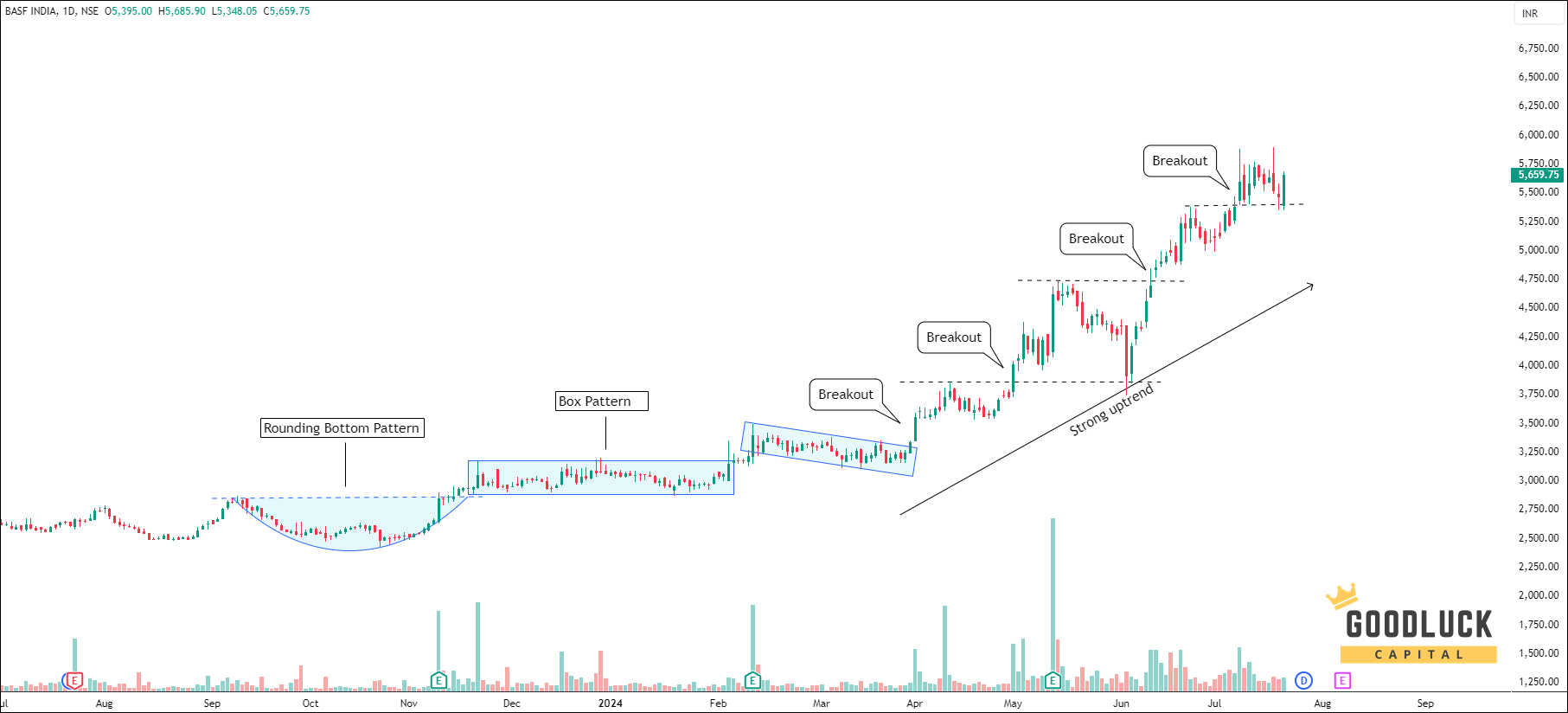
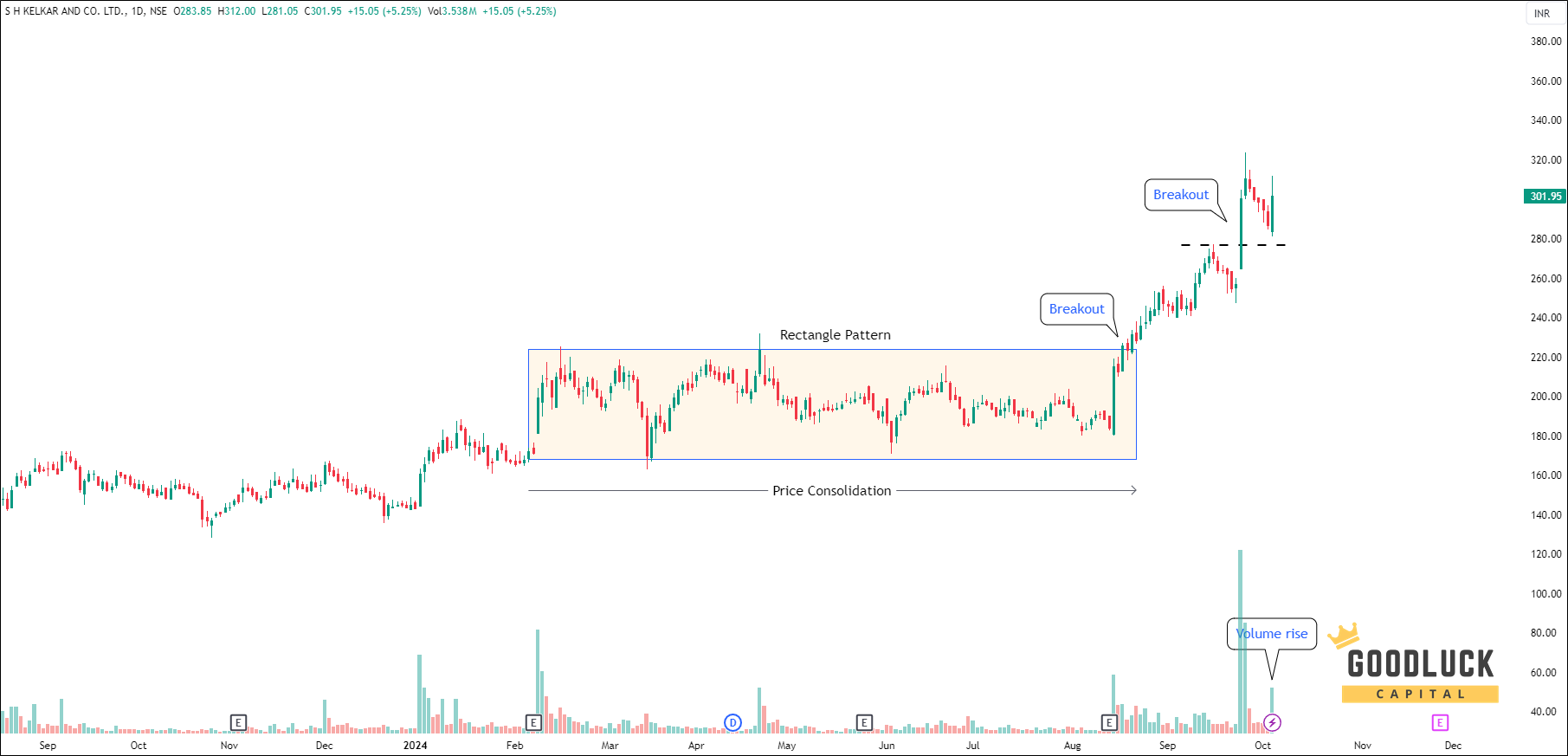
Current India–EU trade sits at €120–140 billion annually. The agreement projects this doubling by 2032. For equity markets, this kind of visibility is gold—especially for anyone looking at short term stock trading recommendations around export-heavy sectors.
And here’s the mechanism behind it: 90% of tariff lines got either reduced or completely eliminated. But—and this is crucial—it happens gradually, over 5-10 years. Think of it as removing bricks from a wall one at a time, rather than demolishing the whole thing at once.
What This Means For Your Pocket
If you drive a luxury car:
Bad news if you own one already—prices just collapsed. A BMW or Audi that cost ₹2.5-3 crore might now cost ₹2 crore or less. Europe’s dropping automotive tariffs from 110% to just 10% (over time). Your favorite sports car just became 15-20% cheaper.
But here’s the safety valve: India capped European vehicle imports at 2.5 lakh cars annually. They can’t flood the market. And electric vehicles get an even longer grace period (10 years instead of 5). Your Tata and Mahindra EV startups get time to compete.
If you love wine or imported whiskey:
Tariffs on wine dropping from 150% to 20-30%. Imported spirits from undefined levels to 40%. That ₹5,000 bottle of Scotch just became more affordable. But again, quotas apply—it’s not unlimited imports. Your local spirits industry remains protected.
If you eat chocolate or pasta:
Biscuits, chocolate, olive oil, pasta, fruit juices—tariffs eliminated. European premium brands will arrive cheaper. Your favorite Italian chocolate now costs less to import. For the first time, pricing levels out between domestic and imported premium foods.
If you’re sick and need medicine:
This is where it gets serious. Indian generic drugs and medicines get zero-duty access to 450 million Europeans. Paracetamol, antibiotics, cancer drugs—suddenly India’s pharmaceutical industry (which already supplies the world at 1/10th the cost) can sell directly. The EU agreed not to challenge India’s compulsory licensing for essential medicines. This means life-saving drugs stay affordable globally.
The Big Winners
Textile Workers & MSMEs:
This is India’s biggest victory. Textiles and leather goods faced 8-12% duties before. Now? Nearly zero. For an industry that employs millions (especially women), this is a game-changer. Indian garments, shoes, and leather products become price-competitive. Bangladesh and Vietnam—traditional rivals—just lost their advantage.
IT Professionals & Engineers:
Indian software professionals get unprecedented access to EU markets. More importantly: uncapped mobility for Indian workers and students. There are no visa caps. No annual quotas. No “wait your turn” system. Compare this to the US’s perpetual H-1B drama, and you see why this is revolutionary.
Aerospace & Aviation:
Aircraft, engines, spare parts—all at 0% tariff now. Indian airlines stop hemorrhaging money on import duties. MRO (maintenance) sectors will boom. Airbus beats Boeing in this market. Indian companies that service aircraft will explode in growth.
IT & Business Services:
Consulting, engineering, digital services—all get preferential treatment. Indian firms can enter EU markets faster, with fewer regulatory barriers.
What India Compromised On
Let’s be transparent: every trade deal requires compromise.
Automobiles got the most attention. Yes, European car imports increase. But the deal caps it carefully—2.5 lakh vehicles annually with longer timelines for EVs. It’s managed growth, not an invasion.
Alcohol worried cultural conservatives. Quota-based restrictions ensure it’s controlled. The domestic spirits industry survives.
Some Dairy & Agricultural Products face increased EU competition. But India structured quotas to protect domestic farmers from being overwhelmed.
The Unseen Benefits
1. Technology Transfer:
European manufacturing expertise flows into India. German engineering standards become Indian standards. Your appliances, machines, and industrial equipment get better.
2. Investment Surge:
European capital pours into India—but now with legal guarantees. Investors get certainty. Indians get jobs and infrastructure development.
3. Data Sovereignty:
India insisted on protecting data from unwarranted foreign control while harmonizing with EU standards. You keep your digital rights while accessing world-class services.
4. Strategic Independence:
India stops being over-dependent on any single market. With the US uncertain under Trump, the EU becomes the counterbalance. Global supply chains now have an Indian node—not just an Indian supplier.
The Reality Check: What Could Go Wrong
Domestic businesses worry about EU competition. Indian dairy, auto parts, and small manufacturers aren’t thrilled. It’s legitimate concern.
EU regulations are strict—environmental standards, labor rules, data protection. Compliance won’t be easy. One slip-up could trigger sanctions later.
Implementation matters more than promises. Customs reform, faster ports, better infrastructure, smoother procedures—if India fumbles the execution, the deal’s benefits won’t materialize.
The Bigger Picture
This deal does something rare in today’s fragmented world: it proves that genuine, comprehensive trade agreements still work. Not the watered-down versions that protect everyone equally and help nobody. But actual, structural reform.
It sends a message: India isn’t waiting for American or Chinese approval. It’s building its own economic ecosystem. Over the next 7 years, watch as Indian textiles dominate European markets, as Indian medicines supply European hospitals, as Indian tech services reshape European businesses.
By 2032, the trade volume doubling won’t just be numbers. It’ll be visible—in factories opening, jobs created, innovation accelerated.
The Takeaway
The “Mother of All Trade Deals” title is earned—not because the agreement is perfect, but because it is structural, phased, and deeply market-shaping.
Consumers gain better prices and quality.
Workers gain unprecedented global mobility.
Businesses gain access to one of the world’s richest markets.
And for market participants, this deal creates clear sectoral trends—from textiles and pharmaceuticals to aviation, IT services, and capital goods. These are the kind of macro shifts that don’t just influence long-term investing but also create tactical opportunities around earnings, order wins, and export data.
That’s why, over the coming quarters, this agreement will be closely tracked not only by policymakers and global funds, but by every short term stock advisor in India looking to identify where trade policy converts into real, near-term market momentum.
Welcome to India’s next chapter—this time, written into global trade flows.