India VIX Explained: Meaning, Calculation, and How to Use It in the Stock Market
India VIX measures expected market volatility, not direction. It helps investors gauge risk and prepare for potential market swings.

Your blog category
India VIX measures expected market volatility, not direction. It helps investors gauge risk and prepare for potential market swings.

Learn how the Martingale strategy helps investors average down during market crashes and profit when broad indices recover.

Learn what EBITDA means, how to calculate it, and why investors use it to evaluate a company’s core profitability. Includes formula, examples, margin calculation, and key limitations.

Crude oil is one of the biggest drivers of Indian markets. Learn how oil prices influence sectors, inflation, RBI policy, and your portfolio.
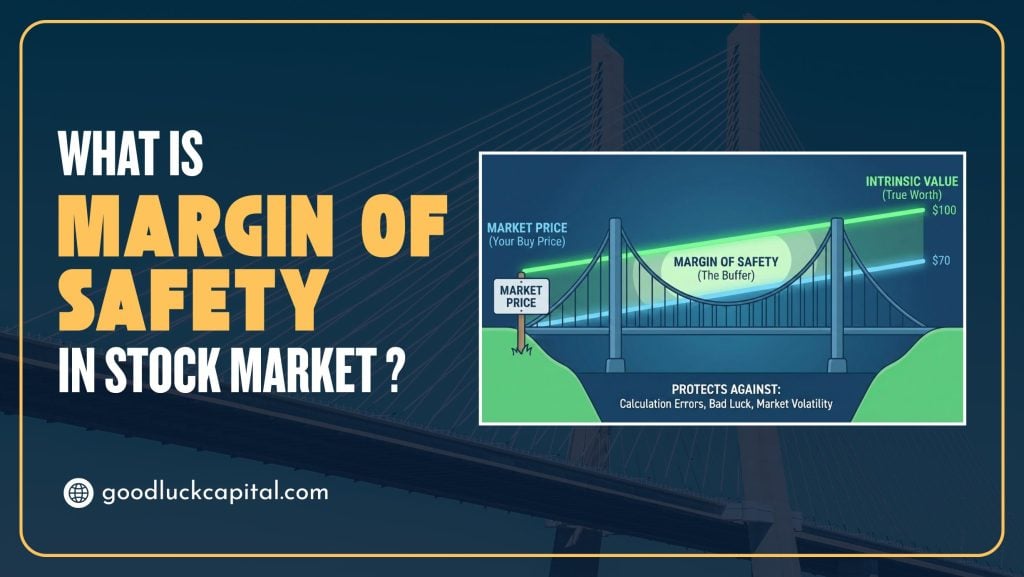
Buy below intrinsic value to limit downside and boost upside. Margin of safety protects capital when markets and forecasts go wrong.
Why cyclical stocks boom with growth and defensive stocks protect capital during recessions—sector rotation explained.

Stocks or mutual funds for SIP? Compare returns, risk, effort, and long-term wealth potential to choose the right strategy for you.

Budget 2026 caused market volatility due to higher trading costs, while the overall fiscal outlook remained stable.

India and the EU sign a historic trade deal. Here’s how it impacts prices, jobs, businesses, and markets.
RBI’s ₹2 lakh crore liquidity move signals early action against tightening financial conditions and rising stress in markets and banking.