Buy CreditAccess Grameen | NSE: CREDITACC | Long Term Investment Advice | Finance Sector | 26th Nov 2024 | Upside Potential 30% – 35%
- November 26, 2024
- 9:00 am
- Goodluck Capital
NOTE
-
Closing Price: ₹929.45 (as of Nov 25, 2024)
-
StopLoss*: Apply on the daily close. After the first target, reset the StopLoss to your buying price.
-
Duration^: Approximate holding period based on the active trading days (excluding market holidays). Actual holding may vary with the market conditions.
-
Upside Potential#: Based on median of the suggested buy range.
CreditAccess Grameen Limited, a leading non-banking financial company, provides microfinance services to women from low-income households in India. The company offers microcredit loans for income generation, home improvement, and emergency needs, as well as insurance services, retail finance loans, and digital lending products. Incorporated in 1991 and headquartered in Bengaluru, India, CreditAccess Grameen Limited operates as a subsidiary of CreditAccess India BV. Formerly known as Grameen Koota Financial Services Private Limited, the company was renamed in January 2018.
Market Capitalization – ₹ 15,608 Cr.
The Indian microfinance sector has evolved significantly over the past five decades, becoming a crucial component of the country's financial landscape. Here’s an overview of its current status, growth trajectory, challenges, and impact.
- Market Size: As of March 31, 2024, the microfinance industry boasts a gross loan portfolio of approximately ₹4.33 lakh crore (around $52 billion), marking a year-on-year growth of 24.5%. This growth underscores the sector's resilience and capacity to adapt to changing economic conditions.
- Customer Base: The sector serves around 78 million customers, with a notable increase in clientele from rural and semi-urban areas. This demographic shift reflects the sector's commitment to enhancing financial inclusion.
- Institutional Landscape: The microfinance sector comprises 168 Micro Finance Institutions (MFIs) operating across various states and union territories, with non-banking financial companies (NBFCs) leading the market with a share of 39.1%, compared to traditional banks at 33.5% as of FY23.
- Market Size: As of March 31, 2024, the microfinance industry boasts a gross loan portfolio of approximately ₹4.33 lakh crore (around $52 billion), marking a year-on-year growth of 24.5%. This growth underscores the sector's resilience and capacity to adapt to changing economic conditions.
- Customer Base: The sector serves around 78 million customers, with a notable increase in clientele from rural and semi-urban areas. This demographic shift reflects the sector's commitment to enhancing financial inclusion.
- Institutional Landscape: The microfinance sector comprises 168 Micro Finance Institutions (MFIs) operating across various states and union territories, with non-banking financial companies (NBFCs) leading the market with a share of 39.1%, compared to traditional banks at 33.5% as of FY23.
- Regulatory Framework: The introduction of favourable regulations by the Reserve Bank of India (RBI) has facilitated growth by allowing MFIs greater flexibility in setting interest rates and expanding their lending capabilities. The establishment of MUDRA Bank has also played a pivotal role in financing small businesses.
- Technological Advancements: The integration of technology in operations has improved efficiency and customer outreach, enabling MFIs to serve a larger client base effectively.
- Government Initiatives: Programs aimed at promoting women's entrepreneurship and financial literacy have bolstered the sector's growth. Initiatives such as the Pradhan Mantri Mahila Shakti Kendra aim to empower women through easier access to credit.
- Regulatory Framework: The introduction of favourable regulations by the Reserve Bank of India (RBI) has facilitated growth by allowing MFIs greater flexibility in setting interest rates and expanding their lending capabilities. The establishment of MUDRA Bank has also played a pivotal role in financing small businesses.
- Technological Advancements: The integration of technology in operations has improved efficiency and customer outreach, enabling MFIs to serve a larger client base effectively.
- Government Initiatives: Programs aimed at promoting women's entrepreneurship and financial literacy have bolstered the sector's growth. Initiatives such as the Pradhan Mantri Mahila Shakti Kendra aim to empower women through easier access to credit.
- Interest Rates: Changes in the repo rate influence borrowing costs for microfinance institutions (MFIs). Lower rates reduce loan costs for borrowers, promoting demand for microfinance products.
- Access to Credit: Relaxed monetary policy improves liquidity, encouraging banks to lend to MFIs, which enhances their ability to provide loans to underserved populations.
- Economic Activity: Lower interest rates stimulate economic growth, improving borrowers' repayment capacity and reducing default rates.
- Interest Rates: Changes in the repo rate influence borrowing costs for microfinance institutions (MFIs). Lower rates reduce loan costs for borrowers, promoting demand for microfinance products.
- Access to Credit: Relaxed monetary policy improves liquidity, encouraging banks to lend to MFIs, which enhances their ability to provide loans to underserved populations.
- Economic Activity: Lower interest rates stimulate economic growth, improving borrowers' repayment capacity and reducing default rates.
Several prominent companies operate within the Indian microfinance landscape:
- Ujjivan Financial Services Limited: A major player that transitioned into banking with Ujjivan Small Finance Bank, focusing on serving unbanked populations.
- Bandhan Bank: Initially a microfinance institution, it became a bank in 2015 and provides a variety of financial products aimed at rural and semi-urban areas.
- Bharat Financial Inclusion Limited (BFIL): Formerly known as SKS Microfinance, BFIL offers microcredit services across India and emphasizes empowering women entrepreneurs.
- CreditAccess Grameen Limited: This institution focuses on providing loans to low-income households and has established a strong presence in rural regions.
- Spandana Sphoorty Financial Ltd.: An NBFC-MFI that provides various financial services to economically disadvantaged individuals.
- Arohan Financial Services Limited: Offers microfinance solutions and is part of the Aavishkaar-Intellecap Group.
Other notable players include Utkarsh Small Finance Bank, Share Microfin Limited, Muthoot Microfin Limited, and Satin Creditcare Network Limited, all contributing to the sector's growth through innovative financial products tailored for low-income clients
Several prominent companies operate within the Indian microfinance landscape:
- Ujjivan Financial Services Limited: A major player that transitioned into banking with Ujjivan Small Finance Bank, focusing on serving unbanked populations.
- Bandhan Bank: Initially a microfinance institution, it became a bank in 2015 and provides a variety of financial products aimed at rural and semi-urban areas.
- Bharat Financial Inclusion Limited (BFIL): Formerly known as SKS Microfinance, BFIL offers microcredit services across India and emphasizes empowering women entrepreneurs.
- CreditAccess Grameen Limited: This institution focuses on providing loans to low-income households and has established a strong presence in rural regions.
- Spandana Sphoorty Financial Ltd.: An NBFC-MFI that provides various financial services to economically disadvantaged individuals.
- Arohan Financial Services Limited: Offers microfinance solutions and is part of the Aavishkaar-Intellecap Group.
Other notable players include Utkarsh Small Finance Bank, Share Microfin Limited, Muthoot Microfin Limited, and Satin Creditcare Network Limited, all contributing to the sector's growth through innovative financial products tailored for low-income clients
Despite its growth trajectory, the Indian microfinance sector faces several challenges:
- Over-Indebtedness: Many borrowers struggle with high-interest rates and multiple loans from different MFIs, leading to financial stress.
- Regulatory Compliance: The sector is subject to strict regulations imposed by the Reserve Bank of India (RBI), which can affect operational flexibility.
- Financial Literacy: Low levels of financial literacy among borrowers can hinder effective utilization of microfinance services
In this in-depth analysis, we'll explore CreditAccess Grameen's market positioning and competitive dynamics, shedding light on its remarkable impact in India's microfinance landscape
Despite its growth trajectory, the Indian microfinance sector faces several challenges:
- Over-Indebtedness: Many borrowers struggle with high-interest rates and multiple loans from different MFIs, leading to financial stress.
- Regulatory Compliance: The sector is subject to strict regulations imposed by the Reserve Bank of India (RBI), which can affect operational flexibility.
- Financial Literacy: Low levels of financial literacy among borrowers can hinder effective utilization of microfinance services
In this in-depth analysis, we'll explore CreditAccess Grameen's market positioning and competitive dynamics, shedding light on its remarkable impact in India's microfinance landscape
- Total AUM Growth: Increased by 11.8% year-over-year, reaching INR 25,133 Crore.
- Gross Loan Portfolio (GL): Rose by 9.3% year-over-year to INR 24,188 Crore.
- Retail Finance (RF) Portfolio: Demonstrated strong growth with an AUM of INR 945 Crore.
- Customer Base: Grew by 7.2% year-over-year to 49.33 Lakh, with the addition of 1.46 Lakh new customers in Q2 FY25.
- Branch Network: Expanded to 2,031 branches across 398 districts, adding 55 new branches during the quarter.
- Total AUM Growth: Increased by 11.8% year-over-year, reaching INR 25,133 Crore.
- Gross Loan Portfolio (GL): Rose by 9.3% year-over-year to INR 24,188 Crore.
- Retail Finance (RF) Portfolio: Demonstrated strong growth with an AUM of INR 945 Crore.
- Customer Base: Grew by 7.2% year-over-year to 49.33 Lakh, with the addition of 1.46 Lakh new customers in Q2 FY25.
- Branch Network: Expanded to 2,031 branches across 398 districts, adding 55 new branches during the quarter.
- Net Interest Income (NII): Increased by 20.8% year-over-year to INR 933 Crore.
- Cost of Borrowings: Average cost remained stable at 9.8%, with a marginal cost of 9.4%.
- Portfolio Yield: Held steady at 21.1%, with an interest spread of 11.4%, among the lowest in the microfinance sector.
- Net Interest Margin (NIM): Improved to 13.5%, up from 13.0% in Q1 FY25.
- Cost-to-Income Ratio: Reported at 30.7%; Pre-Provisioning Operating Profit (PPOP) grew by 19.5% year-over-year to INR 672 Crore.
- Profit After Tax (PAT): Recorded at INR 186 Crore for Q2 FY25, with a Return on Assets (ROA) of 2.7% and a Return on Equity (ROE) of 10.7%.
- Net Interest Income (NII): Increased by 20.8% year-over-year to INR 933 Crore.
- Cost of Borrowings: Average cost remained stable at 9.8%, with a marginal cost of 9.4%.
- Portfolio Yield: Held steady at 21.1%, with an interest spread of 11.4%, among the lowest in the microfinance sector.
- Net Interest Margin (NIM): Improved to 13.5%, up from 13.0% in Q1 FY25.
- Cost-to-Income Ratio: Reported at 30.7%; Pre-Provisioning Operating Profit (PPOP) grew by 19.5% year-over-year to INR 672 Crore.
- Profit After Tax (PAT): Recorded at INR 186 Crore for Q2 FY25, with a Return on Assets (ROA) of 2.7% and a Return on Equity (ROE) of 10.7%.
A temporary rise in delinquency attributed to:
- Interventions by third parties impacting repayment capabilities.
- Liquidity and cash flow challenges experienced by customers.
- Income fluctuations for agricultural laborers due to adverse weather conditions.
A temporary rise in delinquency attributed to:
- Interventions by third parties impacting repayment capabilities.
- Liquidity and cash flow challenges experienced by customers.
- Income fluctuations for agricultural laborers due to adverse weather conditions.
As of September 2024, preliminary data indicates a slight uptick in NPAs with a gross NPA ratio of 2.44% and a net NPA ratio of 0.76%. This change may reflect broader economic conditions or specific challenges faced by borrowers in the microfinance segment.
- Loan portfolio growth expected at 8-12%.
- NIM forecasted at 12.8-13.0%.
- Credit cost guidance at 4.5-5.0%.
- ROA projected at 3.0-3.5%, ROE at 12.0-14.0%.
- Loan portfolio growth expected at 8-12%.
- NIM forecasted at 12.8-13.0%.
- Credit cost guidance at 4.5-5.0%.
- ROA projected at 3.0-3.5%, ROE at 12.0-14.0%.
Management is confident that the ongoing delinquency cycle will be short-term, stabilizing by Q3 FY25. Looking ahead, the company expects to gain momentum in Q4 FY25, fueled by favourable rural economic conditions.
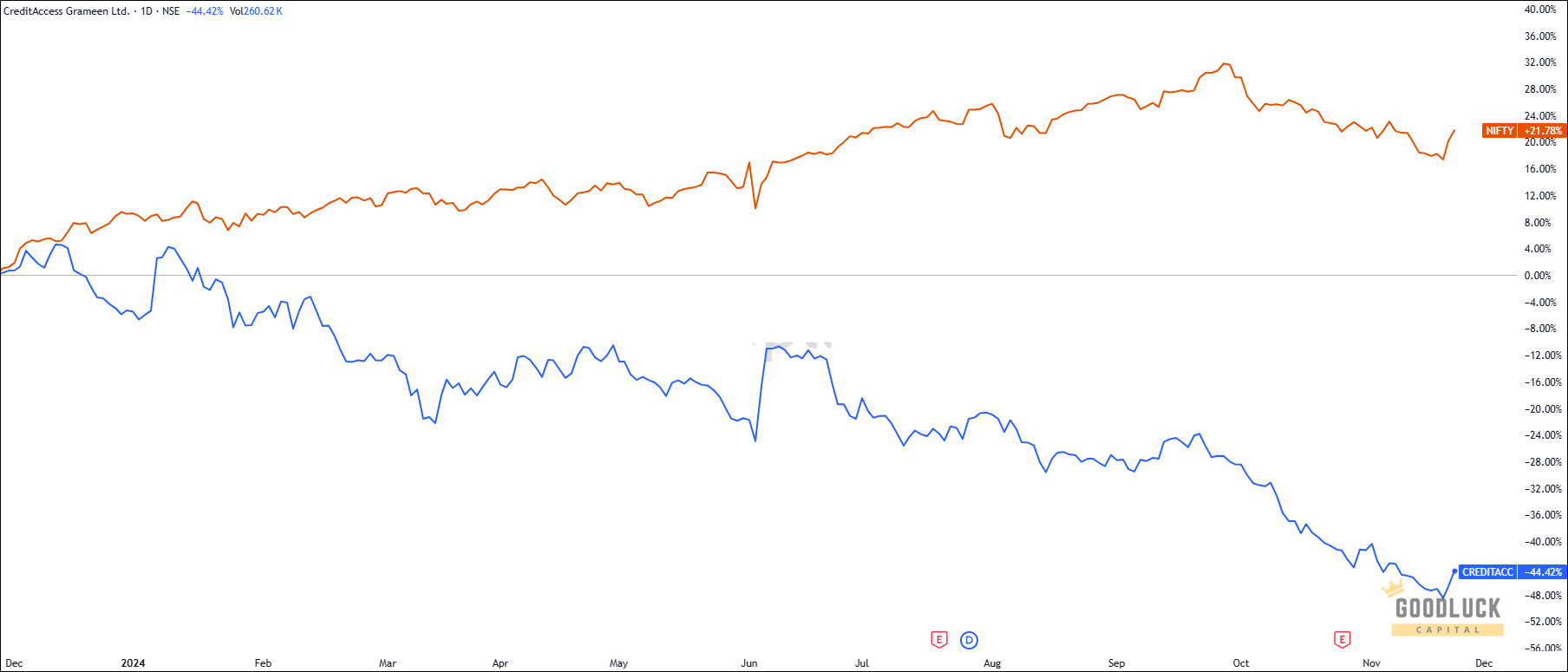
Key Observations
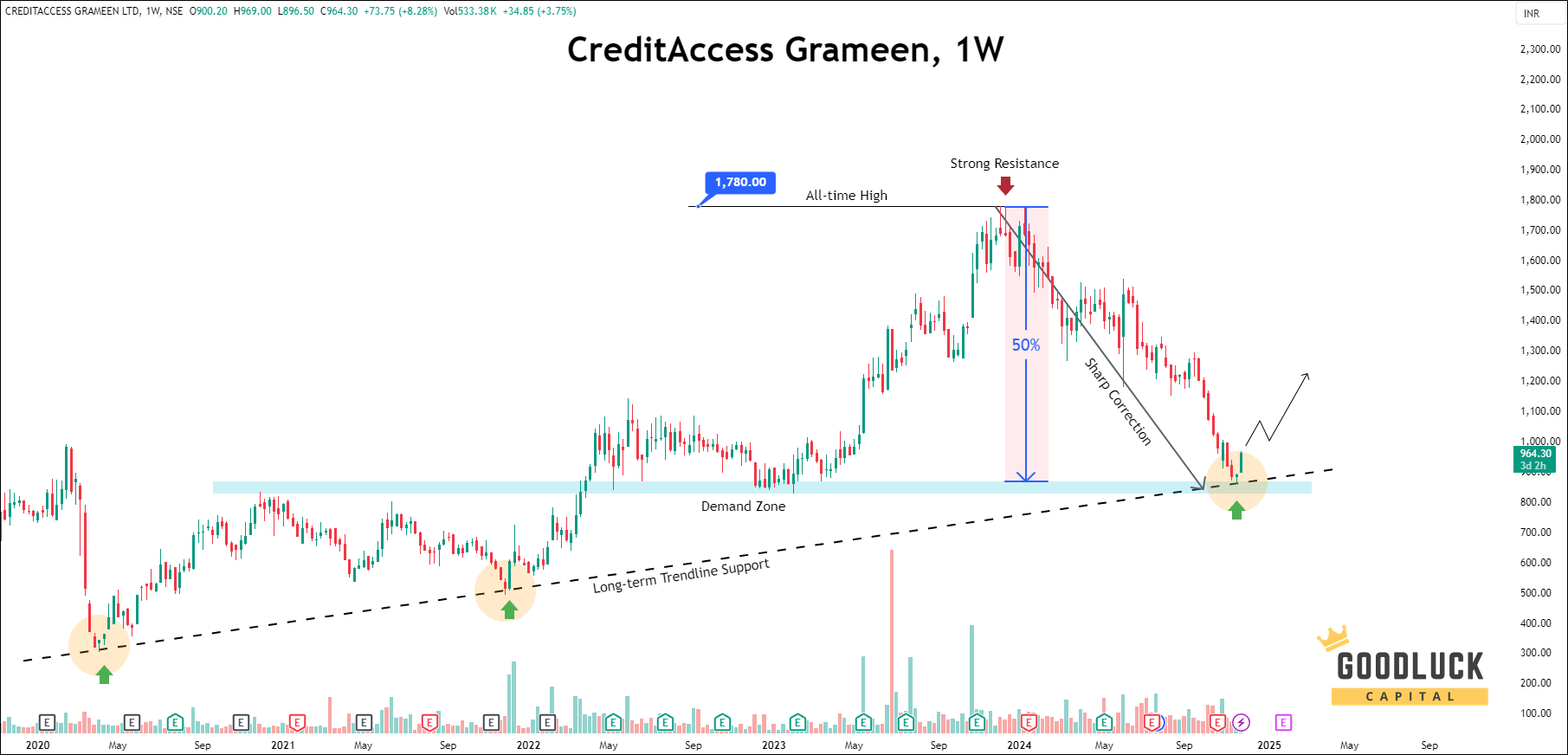
- After hitting an all-time peak of 1,780, the stock plummeted 50%.
- Currently, it's staging a recovery from the long-term trendline support, with substantial upside potential.
Technical Image - Weekly Timeframe

Key Observations
- After hitting an all-time peak of 1,780, the stock plummeted 50%.
- Currently, it's staging a recovery from the long-term trendline support, with substantial upside potential.
Technical Image - Weekly Timeframe

CreditAccess Grameen is well-positioned for substantial growth, driven by increasing demand for financial services among low-income groups, ongoing government support, and advancements in digital technology. The company's strong financial foundation will enable it to capitalize on these trends.
Furthermore, the current high interest rates are expected to decrease soon, leading to lower borrowing costs for microfinance institutions (MFIs) like CreditAccess Grameen. This reduction in borrowing costs will likely enhance profitability, which in turn may positively impact the company's share price, driving it to higher levels.

CreditAccess Grameen is well-positioned for substantial growth, driven by increasing demand for financial services among low-income groups, ongoing government support, and advancements in digital technology. The company's strong financial foundation will enable it to capitalize on these trends.
Furthermore, the current high interest rates are expected to decrease soon, leading to lower borrowing costs for microfinance institutions (MFIs) like CreditAccess Grameen. This reduction in borrowing costs will likely enhance profitability, which in turn may positively impact the company's share price, driving it to higher levels.
MONEY MANAGEMENT AND TRADING RULES
Buy within the recommended price range. You may allow up to 1% flexibility beyond the range if needed.
No need to rush. The recommendation remains valid for up to 7 days, not just at market open.
Use a trailing stop-loss to protect and lock in profits.
Diversify your trading capital across our other recommended stocks to reduce risk.
Invest responsibly. Trade only with funds you can afford to lose and hedge positions where appropriate.
Analyst Summary
The research analysis is prepared by Arijit Banerjee, CMT, CFTe. He is a veteran trader and an active investor having in-depth knowledge in financial market research, advanced technical analysis, market cycle, algorithmic trading and portfolio management. Arijit is a Chartered Market Technician (CMT) accredited by CMT Association USA, the leading global authority of Technical Analysis and has been honoured by Certified Financial Technician (CFTe) from the International Federation of Technical Analysts, USA. SEBI, the regulatory body of Indian financial market also recognizes him as a Research Analyst (INH300006582)
Your Return Could be Much Better
- Swing Trading Advice
- 10—12 swing trade advice / month
- expected upside 6%—8% per trade
- short term trade holding 1-2 weeks
- minimum capital required ₹ 3-lakh
- receive trade advice before 9:00 am
- trade ideas by blackbox system, relied on statistics, technical, fundamental, macroeconomics and sentiment
- Stocks only — no intraday or F&O
1 Month
—
per month
₹ 8000
Price
₹ 8000
3 Months
22% OFF
per month
₹ 6300
₹ 24000
₹ 18900
6 Months
33% OFF
per month
₹ 5300
₹ 48000
₹ 31900
12 Months
44% OFF
per month
₹ 4000
₹ 96000
₹ 48000
all-inclusive pricing. no hidden charges.
Months are referred as calendar months
- e.g. 12 January — 12 April (3 Months)
- 20 June — 20 December (6 Months)
Looking for more information?
Swing Trade Advice Benefits
- ideal for short term positional traders
- receive trading advice via Whatsapp
- precise Entry, Target and StopLoss
- preferred largecap & midcap stocks
- revised targets & stoploss if required
- alert message for target or stoploss hit
Swing Trade Advice Samples
-
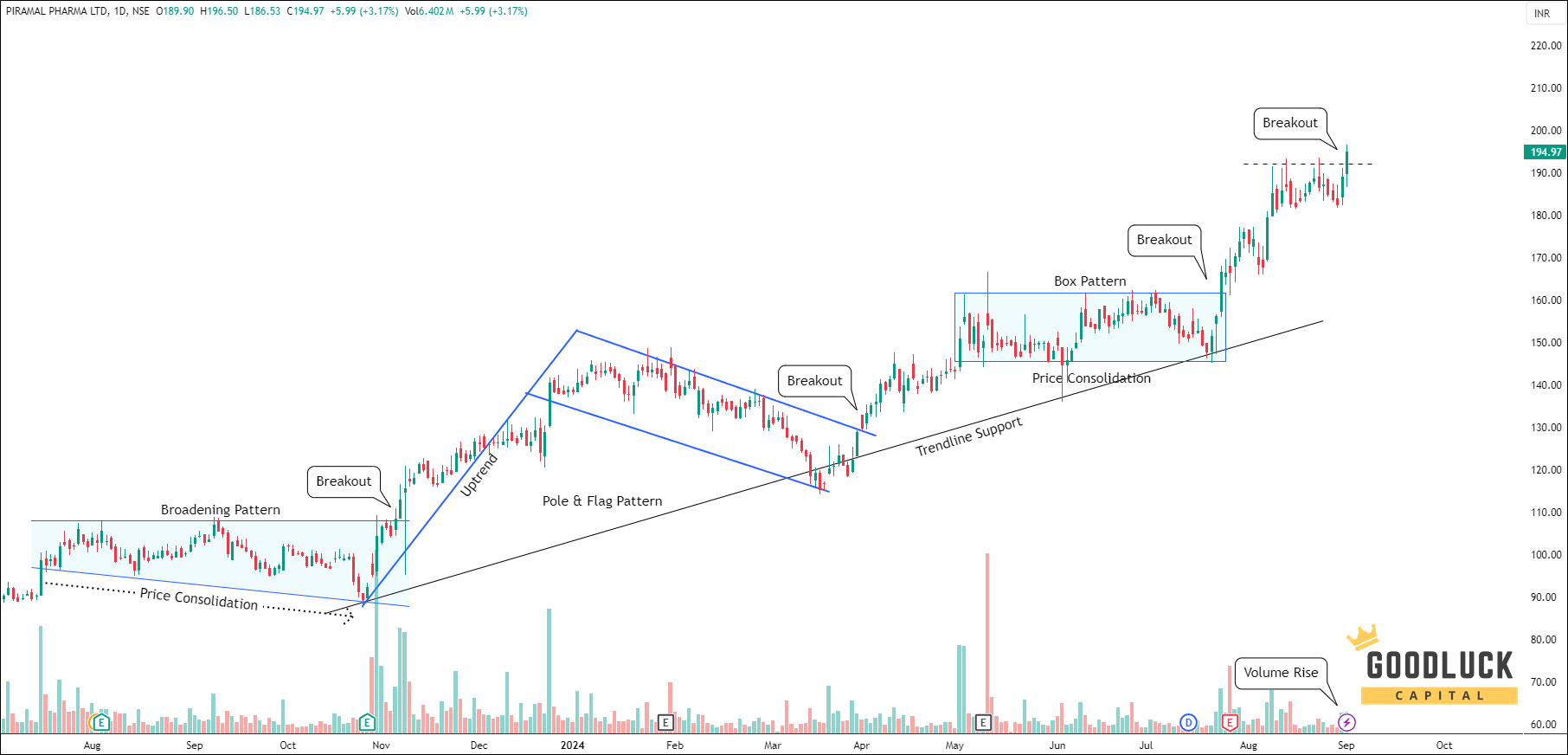
Buy Piramal Pharma
nse: pplpharma
- Best Buy Range
- Sell Target
- StopLoss
- Potential Upside
- Approx Trade Duration
- : 190 - 194
- : 204 - 207
- : below 180
- : 7% - 8%
- : 12-14 days
-
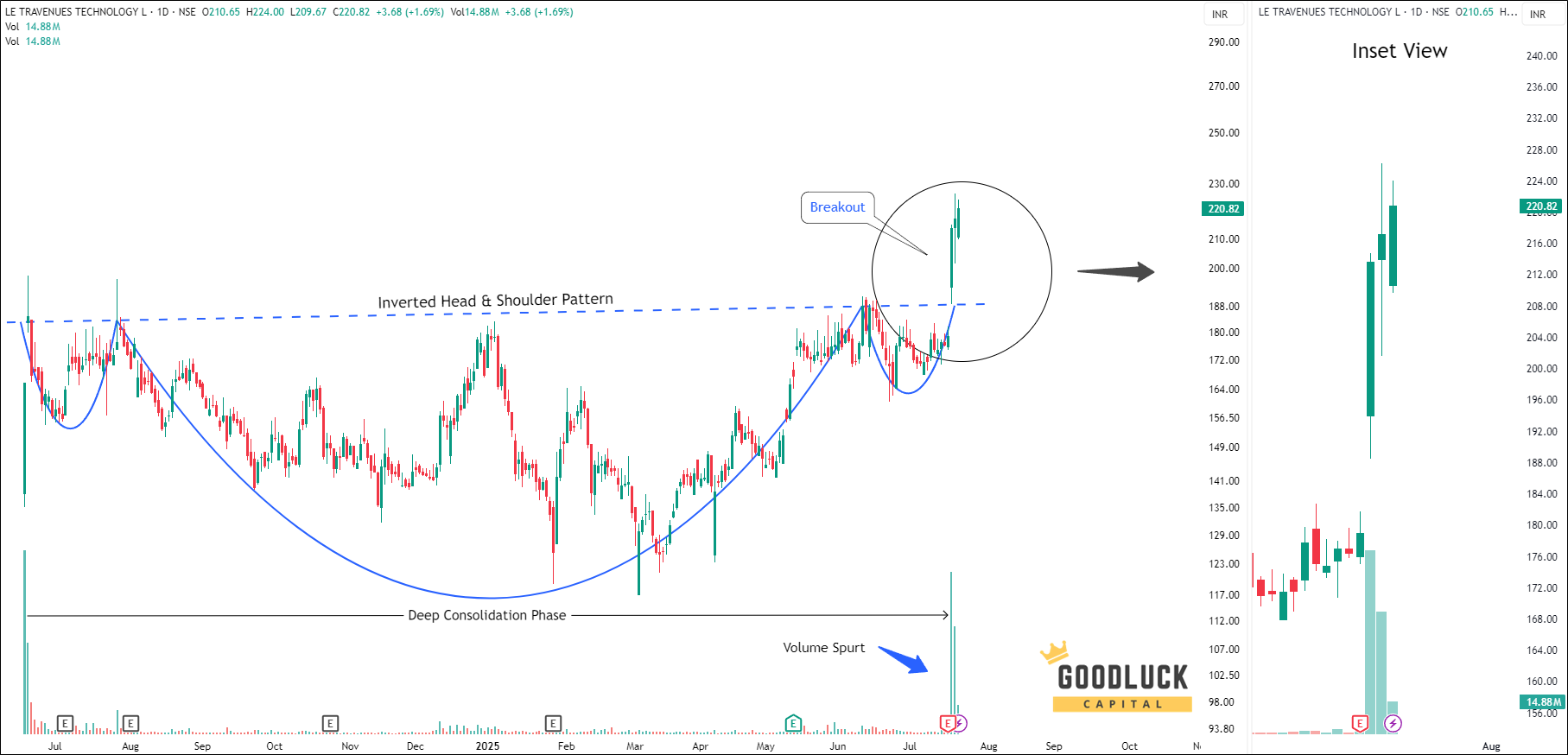
Buy Le Travenues Technology
nse: ixigo
- Best Buy Range
- Sell Target
- StopLoss
- Potential Upside
- Approx Trade Duration
- : 215 - 220
- : 240 - 240
- : below 195
- : 10% - 13%
- : 14-15 days
-
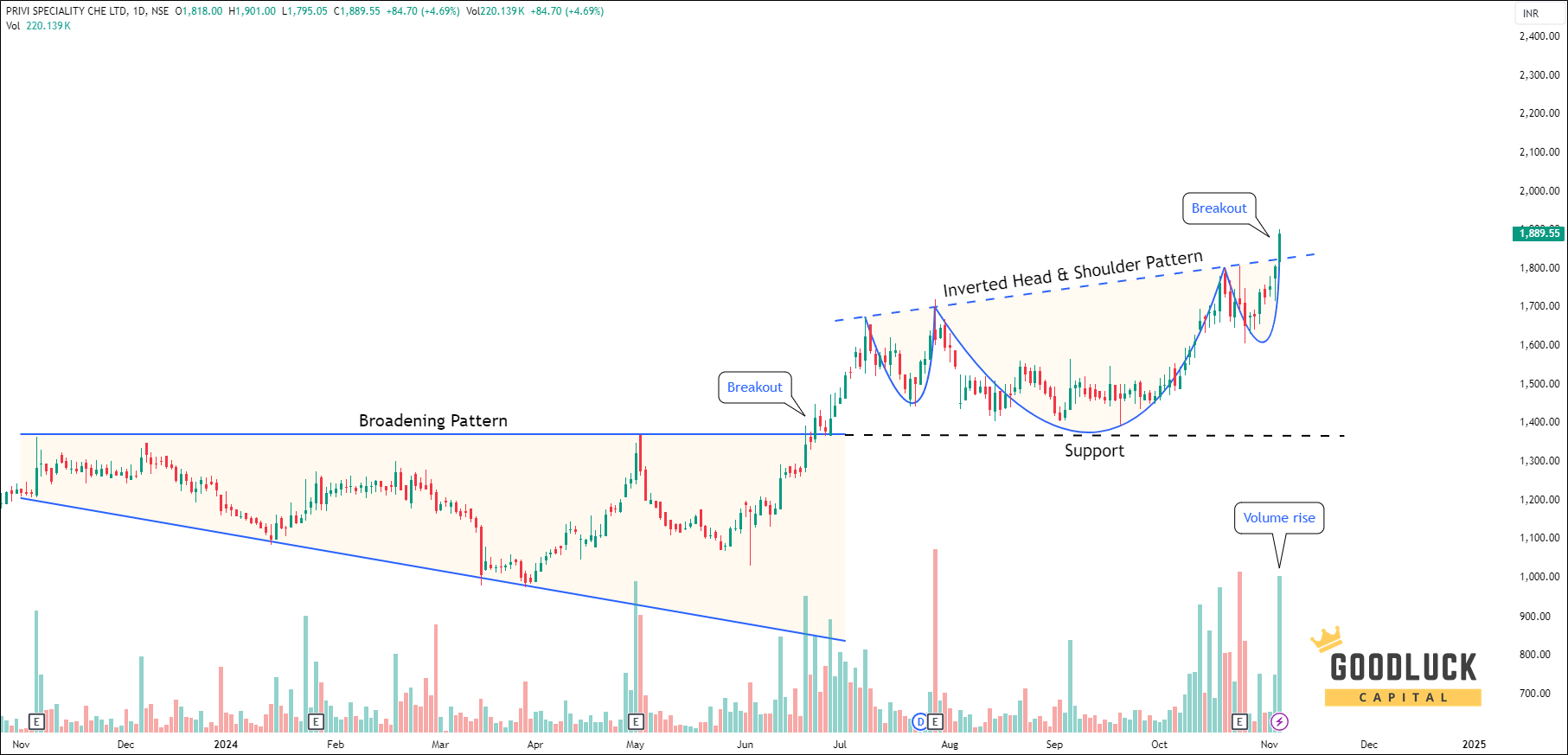
Buy Privi Speciality Chemicals
nse: priviscl
- Best Buy Range
- Sell Target
- StopLoss
- Potential Upside
- Approx Trade Duration
- : 1845 - 1875
- : 1975 - 2000
- : below 1770
- : 6% - 8%
- : 12-14 days
-
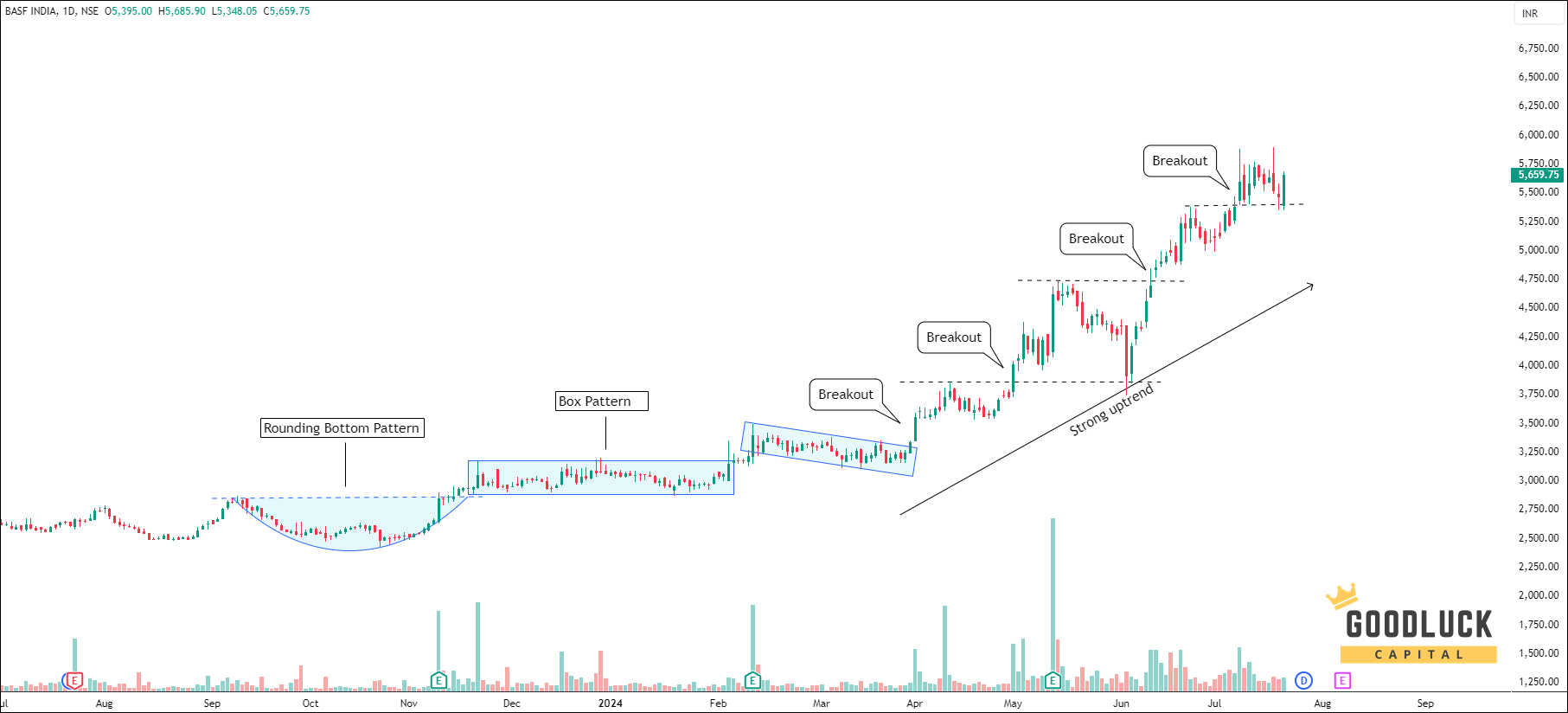
Buy BASF India
nse: basf
- Best Buy Range
- Sell Target
- StopLoss
- Potential Upside
- Approx Trade Duration
- : 5450 - 5600
- : 6050 - 6200
- : below 5200
- : 10% - 12%
- : 12-14 days
-
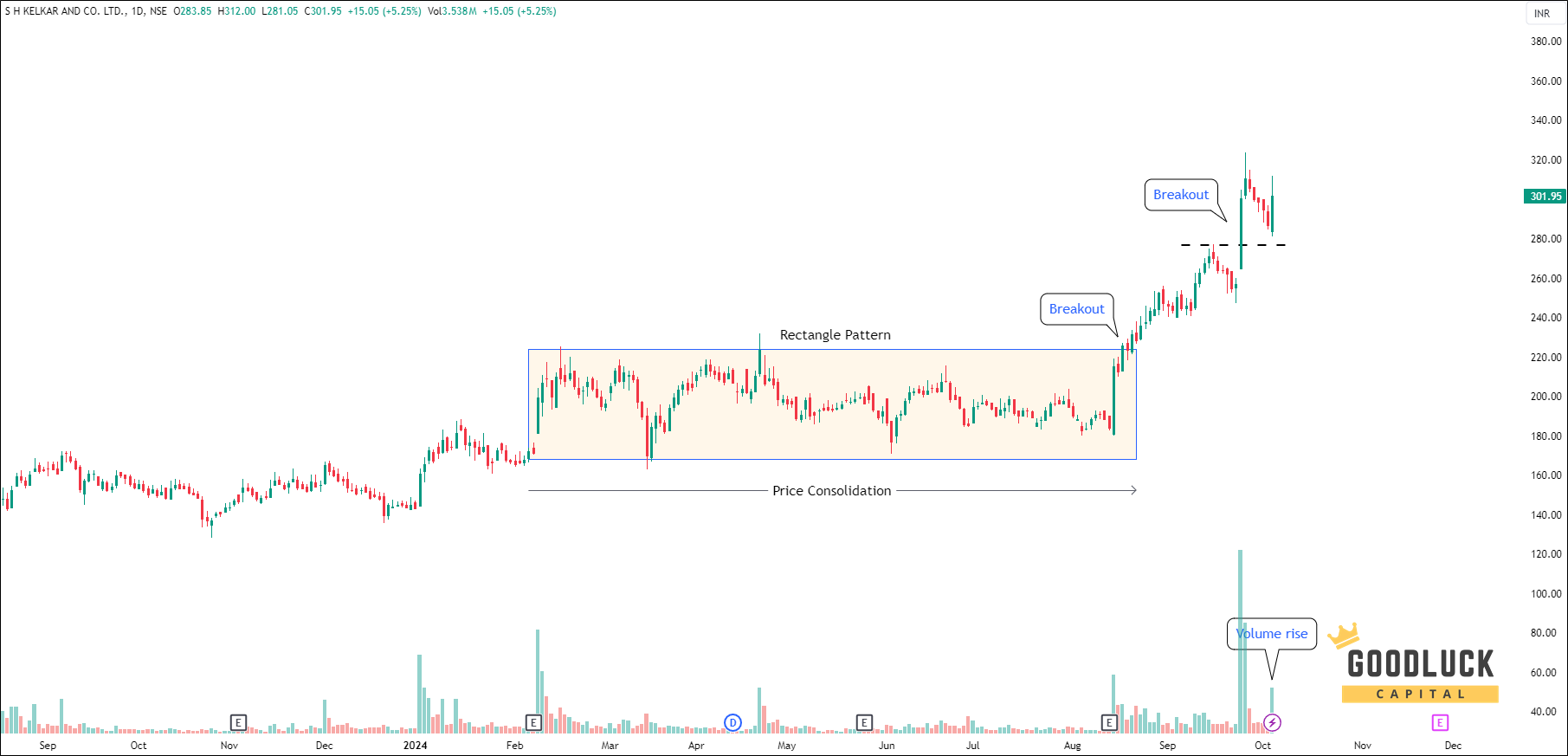
Buy S H Kelkar
nse: shk
- Best Buy Range
- Sell Target
- StopLoss
- Potential Upside
- Approx Trade Duration
- : 285 - 300
- : 330 - 340
- : below 270
- : 13% - 16%
- : 14-15 days
More Trading & Investment Advice
- Premium (unlocked)
- May 26, 2026
- Premium (unlocked)
- May 19, 2026