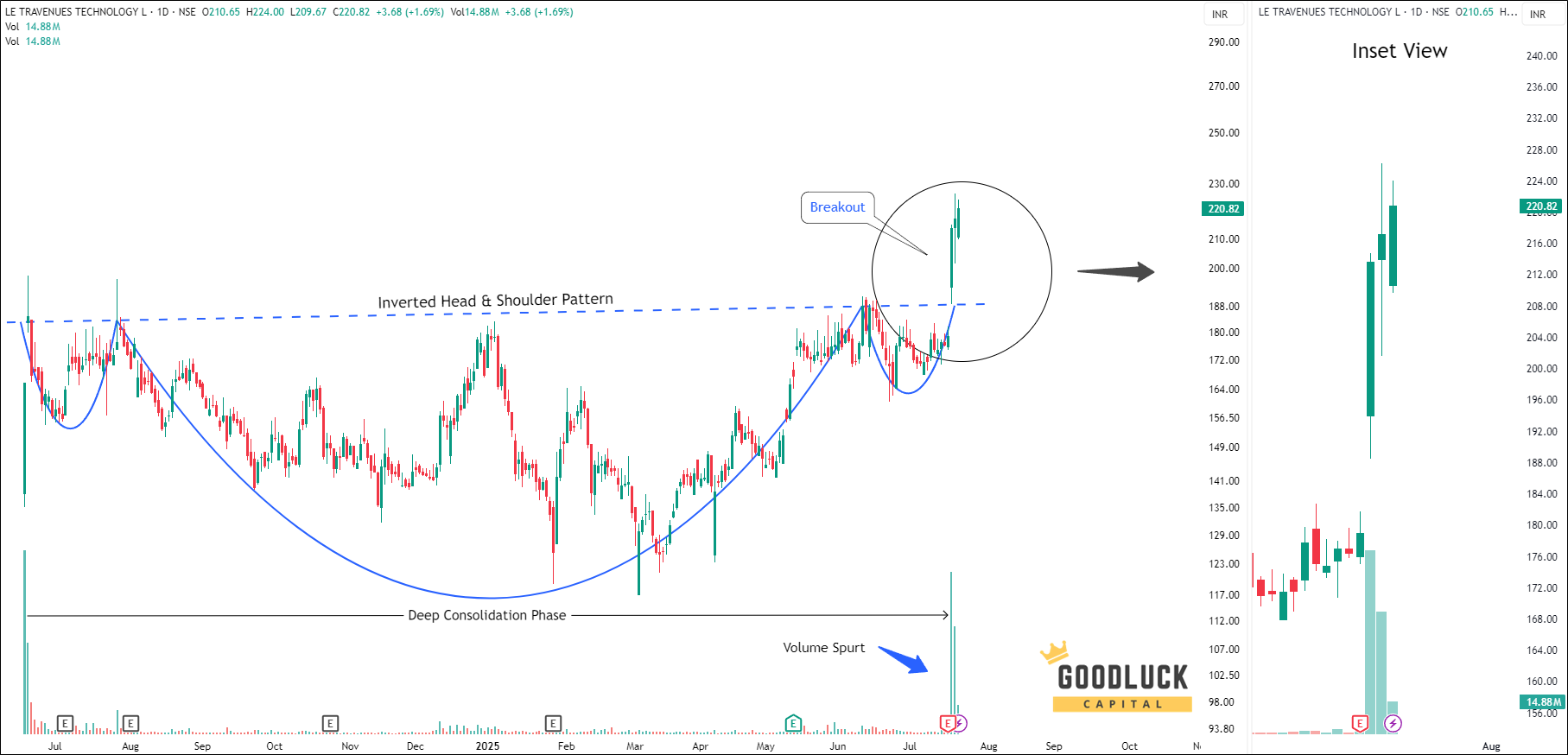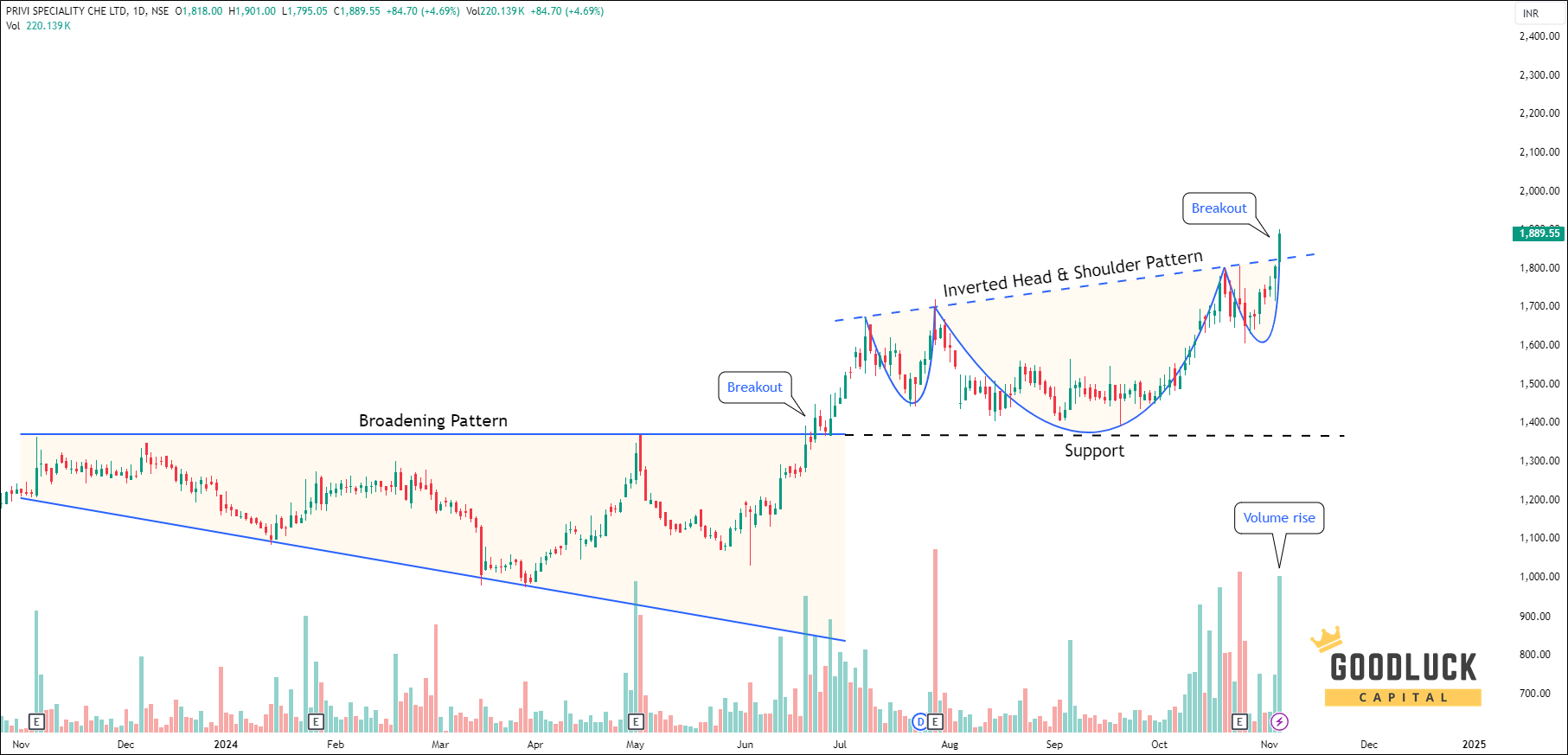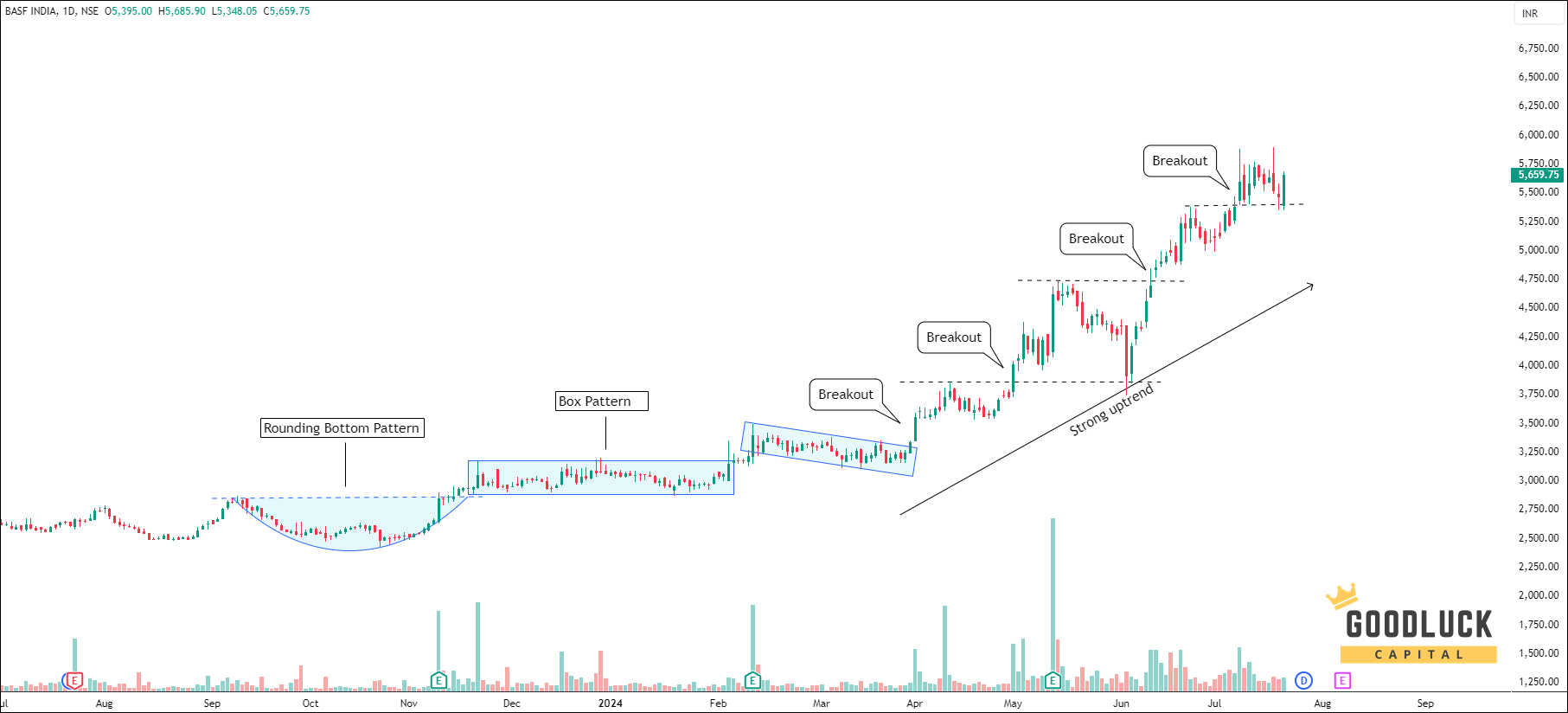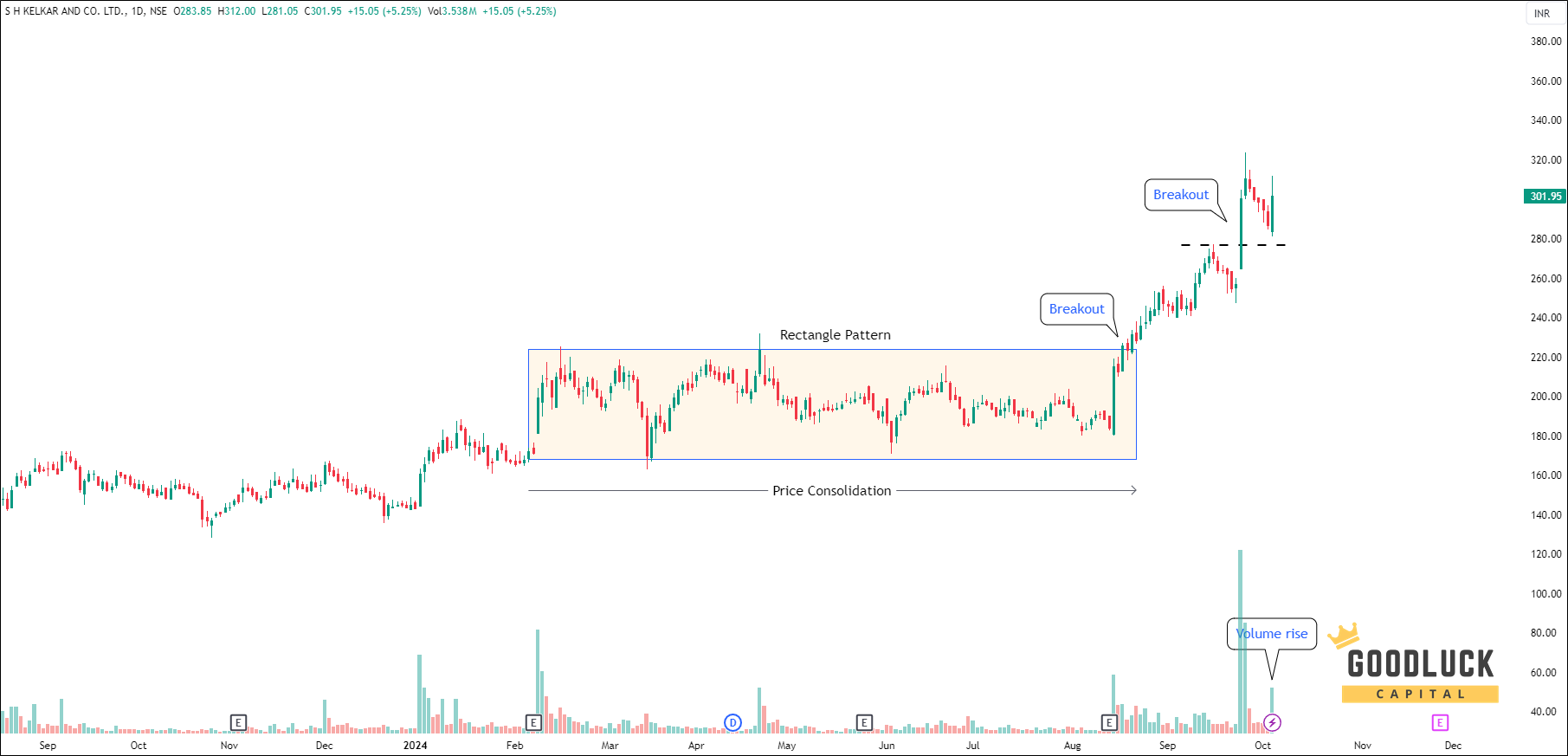
From August 3, 2026, something changed at the end of the trading day in India. For years, a stock’s closing price was just an average. Now, for many stocks, it’s decided by a mini auction instead.
For investors looking for a SEBI registered stock advisory, understanding this change is important because closing prices affect portfolios, funds, derivatives and trading strategies.
Let’s break down what that means, in plain English.
What Is the Closing Auction Session?
CAS is a short auction held right before the market closes. The exchange collects the last buy and sell orders for a stock. Then it finds one single price where the most shares can trade. That price becomes the stock’s official closing price for the day.
Why does the closing price matter so much? It’s the number used to value your portfolio, price your mutual fund, and settle many options trades.
Picture a fruit market at closing time. Buyers and sellers call out prices back and forth. Right before the stall shuts, the seller picks the one price that lets them sell the most fruit. That’s the price everyone remembers as “today’s price.”
Why the Old System Was a Problem
Before CAS, exchanges worked out a stock’s closing price differently. They looked at every trade in the last 30 minutes of the day, from 3:00 PM to 3:30 PM, and calculated an average. This average has a name: VWAP, short for Volume Weighted Average Price. In simple terms, it’s just an average price, except bigger trades count more than smaller ones.
Here’s the catch. A trader with deep pockets could place several large orders in those last 30 minutes. That alone could push the average up or down. Since so much depends on the closing price, even a small push could affect thousands of other investors, not just the one placing the order.
SEBI, India’s markets regulator, wanted to fix this. So it created CAS.
How CAS Works, Step by Step
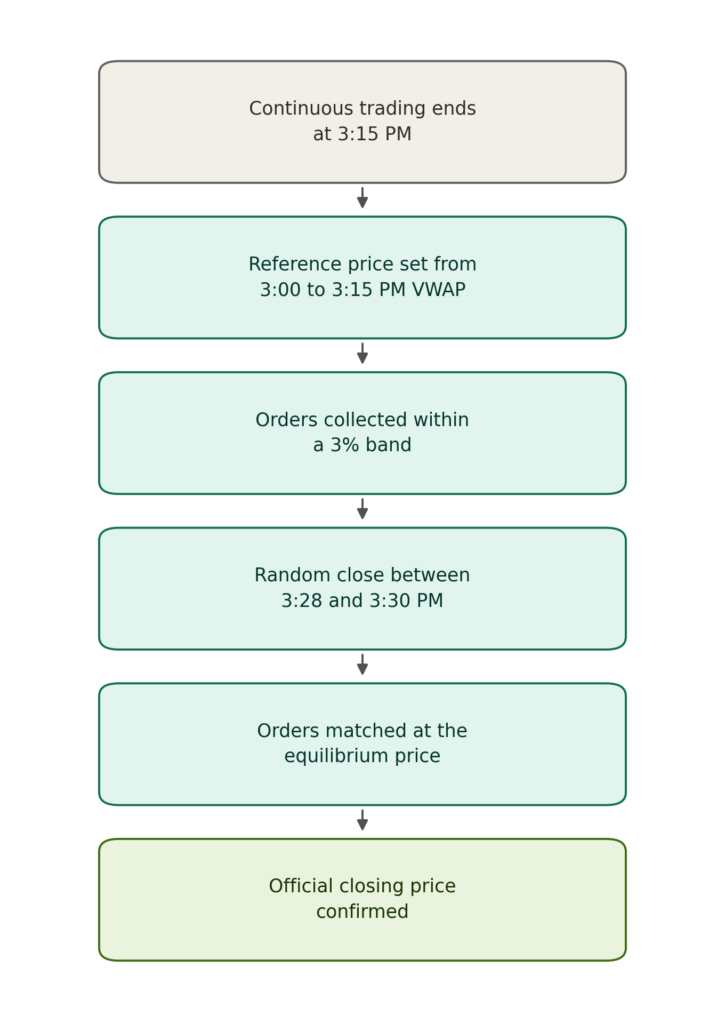
Here’s how it plays out for stocks that have F&O, short for futures and options, contracts available.
Step 1: Trading stops early. Regular trading for these stocks ends at 3:15 PM instead of 3:30 PM.
Step 2: A starting price gets set. The exchange looks at all trades between 3:00 PM and 3:15 PM and works out the average. This becomes the reference price, a starting point for the auction.
Step 3: New orders come in, but only within a narrow range. Traders can still place orders, but only within 3% above or below the reference price.
Step 4: Orders stop at a random moment. The order window doesn’t close at a fixed time. It shuts randomly, somewhere between 3:28 PM and 3:30 PM. This makes it hard for anyone to time a last-second order.
Step 5: The exchange finds the best price. Once orders stop, the exchange checks every order and picks the one price where the most shares can actually trade. This is called the equilibrium price.
Step 6: That price becomes official. The equilibrium price is now the stock’s closing price for the day.
Here’s a simple example. Say the reference price is ₹1,000. Buyers want 50,000 shares. Sellers offer 48,000 shares. After checking a few nearby prices, the exchange finds that ₹1,002 lets the most shares trade. So ₹1,002 becomes today’s closing price.
What Happens After That?
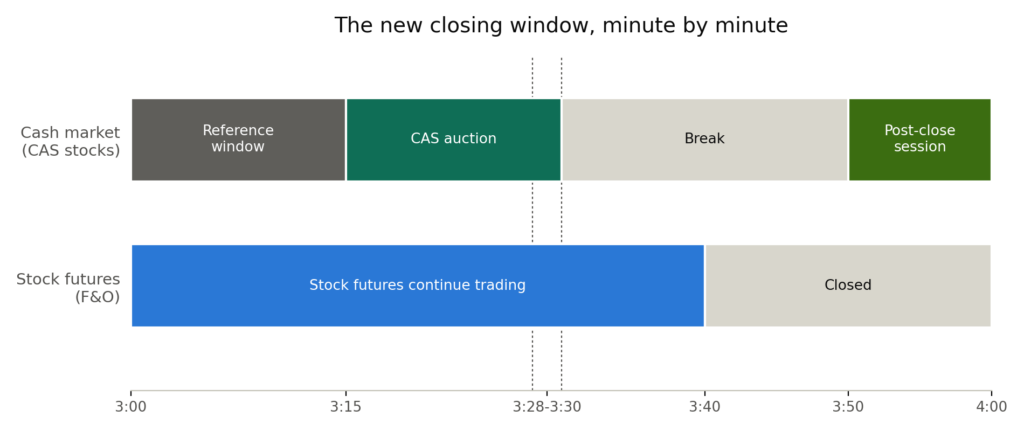
The cash market for these stocks wraps up by around 3:30 PM. But futures on these same stocks keep trading a bit longer, until 3:40 PM. This gives traders extra time to react to the new closing price.
Later, from 3:50 PM to 4:00 PM, there’s a short post-close session. Anyone can still trade during this window, at the official closing price.
Two Traders, Two Different Experiences
Meet Priya. She runs an index fund that tracks the Nifty 50. Her fund’s value each day depends on official closing prices. Since CAS makes those prices harder to distort, her fund now tracks the index more accurately.
Meet Raj. He’s an active trader. In the past, he sometimes placed a large sell order in the final minutes to nudge a stock’s average price down. Under CAS, that trick barely works anymore. His order is now just one of many, matched fairly within a tight 3% range.
| Factor | Priya (Index Fund) | Raj (Active Trader) |
|---|---|---|
| How CAS helps them | Closing price is now more accurate | Can't easily push the price around anymore |
| Old system risk | Closing price could get distorted | Could nudge the price with big orders |
| New system benefit | Fund tracks the index better | Has to compete fairly, like everyone else |
| What to remember | Can still trade at the CAS price in the post-close session | Trading now stops at 3:15 PM, not 3:30 PM |
Old Method vs New Method
| Factors | Old VWAP Method | New CAS Method |
|---|---|---|
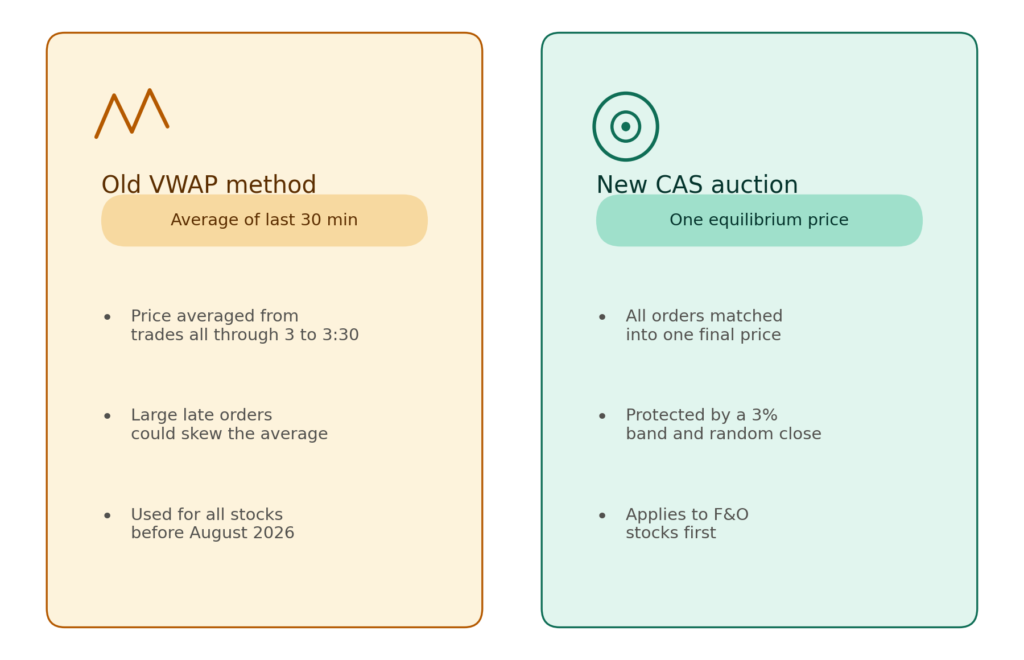
| How it worked | Average of trades from 3:00 to 3:30 PM | One matched price from all orders |
| Easy to manipulate | Yes, with large late orders | Much harder |
| Applies to | All stocks | F&O stocks for now |
| When trading stops | 3:30 PM | 3:15 PM, then the auction runs |
What You Should Remember
- CAS only applies to stocks with F&O contracts right now. Other stocks still use the old method.
- Trading for CAS stocks stops 15 minutes earlier, at 3:15 PM.
- New orders during CAS must stay within 3% of the reference price.
- The order window closes at a random moment, somewhere between 3:28 and 3:30 PM.
- Stock futures keep trading until 3:40 PM.
- You can still trade at the official closing price between 3:50 PM and 4:00 PM.
In Simple Terms
Think of the old system as an average that could potentially be influenced by large trades near the end of the day.
CAS works more like a real auction. Buy and sell orders are brought together, and the exchange selects a single price where the maximum number of shares can be traded.
For traders following swing stock trading tips in India, this is particularly useful to understand because the final price can influence charts, technical levels, portfolio values and trading decisions.
You do not need to trade during the final few minutes to be affected by CAS. Every time you look at a stock’s official closing price, you are looking at a number determined through this new process for covered stocks.
CAS does not eliminate every form of price manipulation, but it is designed to make the closing price more transparent, representative and difficult to influence through last-minute trading.